Keep Your Car Running Smooth: The Complete Car Maintenance Checklist
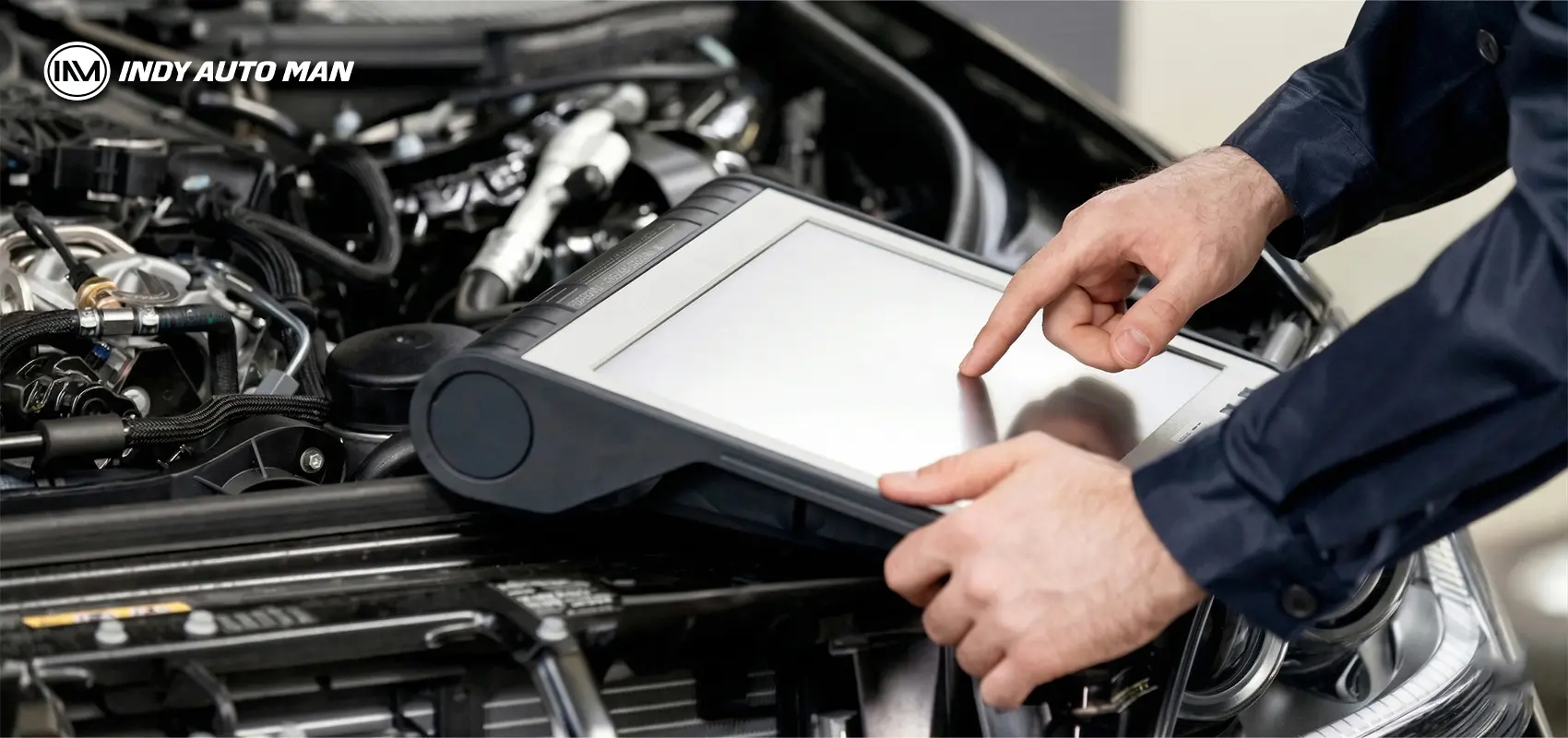
Your car works hard for you every day, and a little attention goes a long way in keeping it dependable. Indy Auto Man expert mechanics prepared a solid car maintenance checklist to help prevent costly repairs, improve fuel efficiency, and ensure top performance, whether you’re driving through Indianapolis, Westfield, or beyond.
Here’s your ultimate checklist to stay ahead of wear and tear - with everything from simple monthly checks to pre-trip essentials.
Car maintenance checklist
Keep your vehicle running smoothly with these essential checks and services. Perform them monthly or as noted for optimal performance and safety.
Regular maintenance
- Oil and filter change – check levels monthly; replace oil and filters as scheduled.
- Brake inspection – look for squealing, grinding, or a soft pedal feel.
- Tire pressure – inspect weekly; adjust for temperature changes.
- Tire rotation and balancing – every 6,000–8,000 miles.
- Tread depth – replace tires when tread is below 2/32".
- Coolant level – check when the engine is cold; top up if needed.
- Battery – test voltage twice a year; clean any corrosion on terminals.
- Air filters – engine and cabin filters every 12,000–15,000 miles.
- Belts and hoses – look for cracks, splits, or fraying.
- Spark plugs – replace depending on mileage and performance.
Fluids and leaks
Monitor levels and quality to prevent breakdowns. Check fluids when the engine is cold and look for leaks underneath.
- Transmission fluid – check color and level; flush according to manufacturer’s schedule.
- Brake fluid – ensure it’s clear and topped up; cloudy fluid signals replacement time.
- Power steering fluid – inspect for proper level and leaks.
- Windshield washer fluid – refill often, especially during winter months.
Lights and visibility
Ensure all lights work for safety, especially at night or in bad weather. Inspect monthly and replace as needed.
- Headlights, brake lights, and turn signals – inspect monthly.
- Interior and dashboard lights – ensure all function properly.
- Wiper blades – change if they streak or skip.
Brakes, tires, and suspension
These affect handling and stopping power. Address issues promptly to avoid wear or accidents.
- Suspension and shocks – check for uneven tire wear or odd noises.
- Alignment – get checked if the car pulls to one side.
Systems and exhaust
Test major systems seasonally. Rusty or noisy parts can lead to costly repairs.
- Exhaust system – inspect for rust, leaks, or loud sounds.
- HVAC system – test heat, AC, and defrost.
Accessories and exterior
Maintain convenience features and appearance for daily comfort and resale value.
- Door locks and latches – lubricate periodically.
- Key fob battery – replace if range decreases.
- Cleaning – wash regularly and wax every few months to protect paint.
Read also:
Long trip pre-check
Routine maintenance keeps any vehicle safe, but long trips add extra stress that deserves its own checklist.
- Check oil, coolant, brake, and washer fluid levels.
- Inspect tire pressure and tread, including the spare.
- Pack a tire repair kit or ensure your spare tire tools are present.
- Test all exterior lights and interior illumination.
- Inspect wiper blades and replace if worn.
- Verify your car’s registration, insurance, and roadside assistance info.
- Top off fuel and note the gas tank cap seals tightly.
- Brake feel – make sure the pedal is firm and responsive.
- Listen for unusual engine noises or exhaust sounds.
- Check for sagging suspension or uneven stance.
- Inspect under the hood for leaks or frayed wiring.
- Ensure the horn works properly.
- Test seat belts for locking and release.
- Bring an emergency kit with flashlight, blanket, jumper cables, tools, and first aid supplies.
- Stock spare fuses and bulbs.
- Clean windshield inside and out for optimal visibility.
- Set your navigation system and update maps or apps.
- Make sure mirrors are adjusted and clean.
- Confirm child seats or restraints are properly secured.
- Check that your phone charger or USB outlets work.
- Test your defroster and AC for varying temperatures.
- Fill the washer fluid reservoir and carry extra if you expect muddy or dusty roads.
- Pack extra water, snacks, and gloves for long drives.
- Clear unnecessary weight from the trunk to improve fuel economy.
The tables below separate everyday maintenance from pre‑trip checks, and highlight where gas and electric cars differ.
| Area | Gas / Hybrid Cars – Pre‑Trip | Electric / Plug‑In Hybrid Cars – Pre‑Trip |
|---|---|---|
| Service status | Confirm oil, filters and scheduled maintenance are up to date; verify there are no open recalls or ignored warning lights. | Confirm battery‑system service and coolant intervals are respected; verify no high‑voltage, charging, or battery warning messages are active. |
| Road‑test | Check straight‑line tracking, absence of shakes or noises, stable temperatures and no brake pulsation at highway speed. | Same road‑test checks; also note any unusual whine, clicks, or inverter noises at steady speeds or under acceleration. |
| Brakes & chassis | Re‑check pad thickness and rotor condition; verify no leaks at hoses or calipers; inspect suspension more carefully if you’ll be fully loaded. | Same attention to brake fluid and hardware; ensure regenerative braking feels consistent and no ABS/ESC lights are on. |
| Load & towing | Confirm hitch and wiring are secure; trailer lights tested; tire and load ratings adequate; stay within published towing and payload limits. | Only tow if the EV is rated for it; confirm tongue weight and trailer load are within the EV’s specific limits; verify any trailer‑mode settings. |
| Range / fuel planning | Estimate realistic range based on fuel economy and load; plan fuel stops along your route, especially in remote areas. | Calculate realistic highway range (speed, weather, load); map out charging stops with compatible connectors and power levels; plan a buffer for headwinds or detours. |
| Charging / fueling | Ensure fuel cap seals properly; consider using quality fuel on long trips to avoid contamination issues. | Test your home or portable EVSE; inspect cables and plugs; verify public‑charging apps, RFID cards or accounts are set up and working. |
| Emergency & travel kit | Carry registration, insurance, spare key, phone charger, jumper cables or jump pack, tire inflator or sealant, basic tools, reflective triangle, first‑aid kit, flashlight, water and weather‑appropriate gear. | Pack the same emergency kit; add any brand‑specific tow/transport instructions (many EVs require flatbed towing) and keep them accessible. |
Ready to Hit the Road?
Spending a few minutes with this checklist can make every drive safer and more enjoyable. Skip it, however, and you're rolling the dice. According to the CARFAX report, poor maintenance doubles breakdown rates, leading to repair bills averaging $500+ per incident and higher insurance premiums from at-fault claims.
When it’s time for professional attention, our ASE-certified technicians will take care of every detail so your car runs at its best on every trip.
Whether a quick oil change, a new set of tires, or a complete inspection, schedule your visit at Indy Auto Man in Indianapolis or stop by our Westfield location.