Blog / DIY Tips

How to Change a Car Battery Safely: A Step-by-Step Guide
If your car won’t start or the battery no longer holds a charge, it may be time for a replacement. In this guide, the Indy Auto Man car service specialists explain how to replace a car battery quickly and safely.
Read more
Everything You Need to Know About Car Maintenance After 100,000 Miles
For many drivers, hitting the 100K mark feels like a worrying milestone. Some are convinced that once the odometer hits this figure, it is time to sell the car immediately. Others simply keep driving without making a big deal out of it. The truth, as usual, lies somewhere in between. The Indy Auto Man mechanics explain how your car is demanding attention at 100 miles, and what costly components you need to check after this milestone.
Read more
Vibration During Acceleration and at High Speed: How to Find the Cause
Driving vibrations are more than just a source of discomfort; they accelerate wear of joints and bearings and can loosen threaded connections. If your car shakes at speed, you should never ignore it. We have compiled a list of the main reasons for such vibrations. However, to understand why the car is shaking, you first need to determine the circumstances under which it occurs.
Read more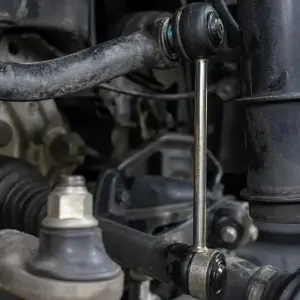
Sway Bar Links: How to Tell When They Need Replacement
Sway bar links are among the suspension components most prone to wear. A knocking or rattling sound in your vehicle when driving over minor bumps is one of the most common symptoms. Here is how to check the links, how long they may last, and why you should not put off replacing the sway bar links.
Read more
Car Seat Ventilation: What It Is And Why You Need It
Seat ventilation is a system that directs airflow across the seat surface. Its main purpose is to improve comfort for both the driver and passengers, especially during long trips in hot weather. By reducing heat buildup and moisture, it creates a more pleasant seating experience and minimizes that sticky feeling often associated with warm upholstery.
Read more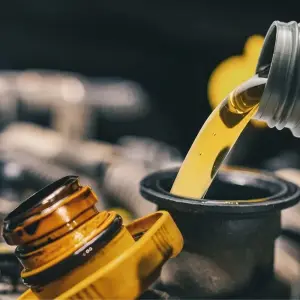
Numbers on Oil: What They Mean and Which One to Choose
Even though motor oil is one of the simplest and most affordable maintenance items, it plays a critical role in your engine’s long-term performance, and it’s crucial to use the right one. The numbers written on motor oil canisters indicate the oil's viscosity. Let's take a closer look at exactly what they signify.
Read more
Should You Transfer Your Car Loan to Another Person?
Life changes fast, and sometimes your car payment no longer fits your budget. Whether you're changing jobs, moving, or simply fed up with the high cost of your current car, a reasonable question appears: "Can I transfer the car loan to someone else?" The short answer is yes, but it’s not as simple as handing over the keys.
Read more
How to Get Rid of Your Old Car
You might think your old, non-running car isn’t worth much, but before you send it off to the scrap yard, take a moment - there are several ways to get rid of your old car and still make some money or find it a useful new purpose.
Read more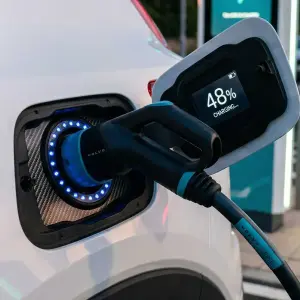
How Much Does It Cost to Charge an EV in Indiana?
Charging an EV in Indiana usually costs less than filling up a similar gas car, especially if you plug in at home - roughly $10-$15 for a full charge. Check this post by the Indy Auto Man dealer’s practitioners for a general overview and some details on Indianapolis EV costs.
Read more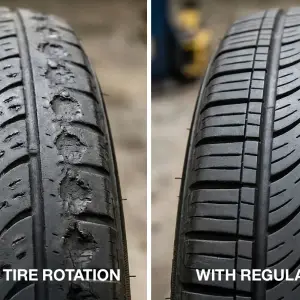
Tire Rotation: Why Is It Important, and How Often Should You Do It?
The tire condition significantly influences the performance and safety of your vehicle. As the sole point of contact between your car and the road, tires must be maintained in optimal condition to ensure safe driving across various weather and surfaces. Typically, high-quality tires can last between 50,000 and 60,000 miles, provided the vehicle is operated and maintained according to prescription. However, several factors can influence this lifespan.
Read more